How 10, 20, and 40mmHg Compression Levels Affect Your Red Blood Cell Function During Exercise
General Athletic Performance and recovery
4 min read
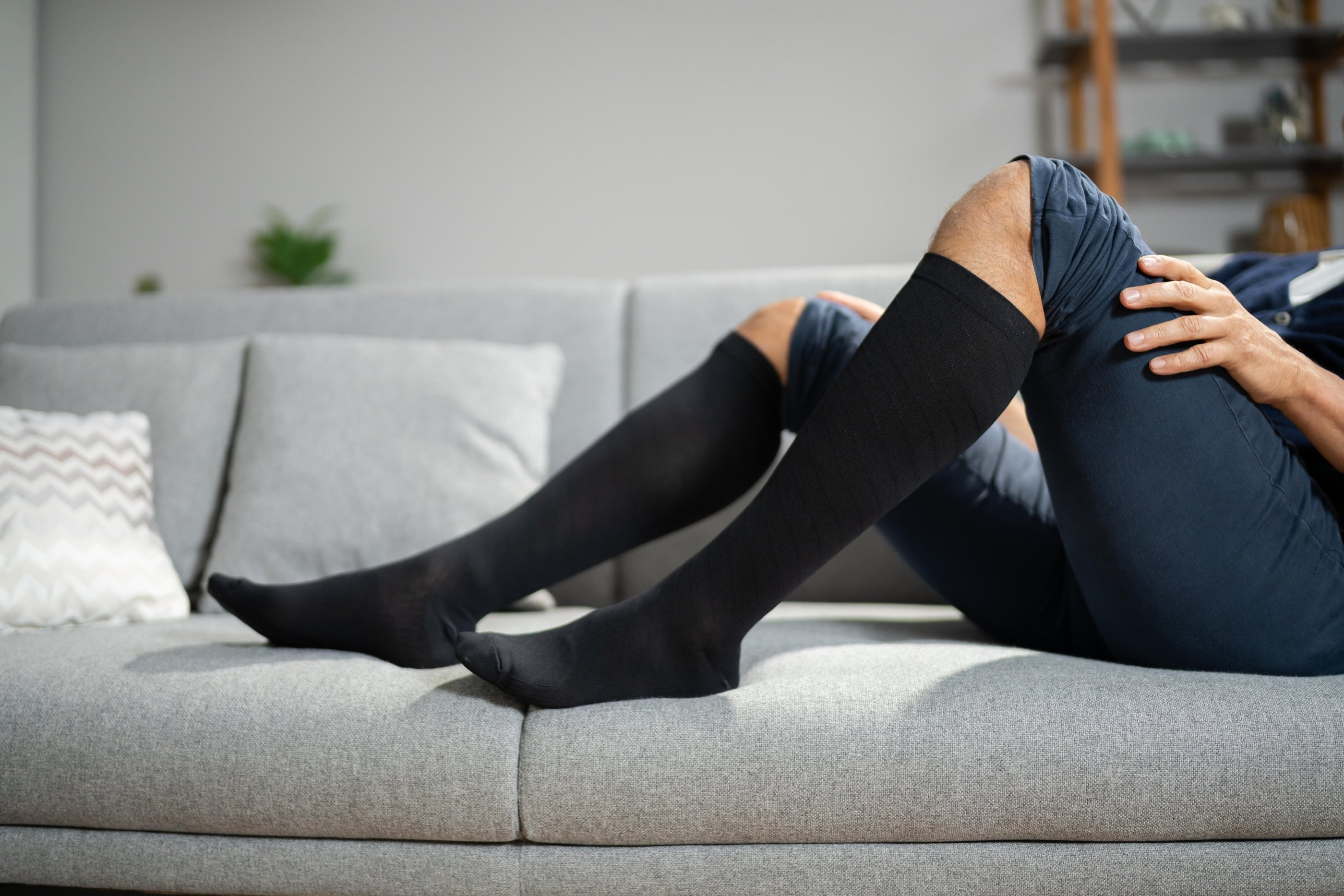
Effects of different levels of compression during sub-maximal and high-intensity exercise on erythrocyte deformability
Understanding how different compression levels affect red blood cell flexibility provides crucial insights into the optimal use of compression garments. A comprehensive study examining this relationship reveals important findings about when and how compression socks benefits are most effective at the cellular level.
Red blood cells must maintain flexibility to squeeze through capillaries that are often smaller than the cells themselves. This flexibility, called deformability, directly impacts oxygen delivery efficiency throughout the body. When red blood cells become less flexible, circulation suffers, potentially affecting energy levels, recovery time, and overall cardiovascular health.
Research Methodology and Participants
Researchers tested the hypothesis that different compression levels would affect red blood cell flexibility during various exercise intensities. The study involved nine well-trained male endurance athletes with an average age of 22.2 years and peak oxygen uptake of 57.7 mL per minute per kilogram of body weight, indicating excellent cardiovascular fitness.
Each participant completed four separate testing sessions using different compression sock levels: no compression (0 mmHg), light compression (10 mmHg), moderate compression (20 mmHg), and high compression (40 mmHg). This range covers the full spectrum of compression levels found in commercial compression socks for women and men, from light support to medical-grade compression.
The testing protocol consisted of 30 minutes of submaximal running at 70% of peak oxygen uptake, followed by a progressive ramp test to exhaustion. Throughout each session, researchers monitored red blood cell deformability, blood lactate levels, heart rate, and arterial oxygen pressure to assess how compression affected both cellular function and overall physiological responses.
Key Research Findings
The study revealed several important findings that challenge common assumptions about compression effectiveness during exercise. Most significantly, none of the compression levels—whether light, moderate, or high—affected red blood cell deformability, heart rate, oxygen levels, or lactate concentration during either submaximal or high-intensity exercise.
However, exercise itself significantly increased red blood cell flexibility, demonstrating the powerful natural benefits of physical activity on circulation health. This finding reinforces why regular exercise is so beneficial for people who sit for long periods or have circulation challenges.
Interestingly, the highest compression level (40 mmHg) actually attenuated some of the beneficial effects that exercise naturally provides to red blood cell function. This suggests that while moderate compression may be neutral during exercise, very high compression levels could potentially interfere with the body's natural adaptive responses.
Implications for Different User Groups
These findings have important practical implications for various compression sock users. For people engaged in compression socks for running or other athletic activities, the research suggests that compression doesn't enhance the natural circulation benefits that exercise already provides. The body's own mechanisms during physical activity are highly effective at optimizing blood flow and red blood cell function.
However, this doesn't diminish the value of compression in other scenarios. For individuals who sit for extended periods at work, during travel, or due to mobility limitations, compression socks can help maintain circulation efficiency when natural muscle pump action is reduced. The graduated pressure helps blood move effectively back toward the heart when physical activity isn't providing these natural benefits.
Compression socks for pregnancy applications remain valuable because pregnancy alters normal circulation patterns and may limit exercise capacity. In these situations, external compression support becomes more important for maintaining healthy blood flow when natural mechanisms are compromised.
Understanding Compression Level Selection
The research provides valuable guidance for selecting appropriate compression levels. Since very high compression (40 mmHg) showed some interference with natural exercise benefits, moderate compression levels (15-20 mmHg) may be optimal for most applications, providing circulation support without overwhelming the body's natural mechanisms.
For daily wear by people who stand or sit extensively, light to moderate compression appears sufficient to provide circulation benefits without the potential drawbacks of excessive pressure. This finding supports the common recommendation of 15-20 mmHg compression for general daily use and travel applications.
Compression socks for flying benefit from this understanding, as air travel combines prolonged sitting with cabin pressure changes and gravitational effects. In this scenario, moderate compression provides clear benefits for maintaining circulation when natural movement is restricted and environmental factors create additional challenges.
Recovery and Rest Applications
While compression showed minimal effects during active exercise, the implications for recovery and rest periods may be different. During recovery, when the body's natural circulation mechanisms return to baseline levels, external compression support may provide more noticeable benefits for maintaining circulation efficiency and supporting the removal of metabolic waste products.
Many athletes report better recovery when using compression during rest periods following training or competition. This could be because compression helps sustain some circulation improvements when the natural exercise-induced benefits begin to fade, extending the positive effects beyond the activity period itself.
For older adults or individuals with circulation challenges, compression socks can provide ongoing support for red blood cell function during daily activities, helping maintain circulation efficiency that might otherwise decline with reduced activity levels or age-related changes.
Practical Recommendations
The research suggests that compression sock benefits are most relevant during periods of reduced activity rather than during peak exercise performance. This understanding helps users optimize their compression strategy by focusing on applications where external support provides the greatest value.
For active individuals, compression may be most beneficial during warm-up periods, travel to competitions, and recovery phases rather than during the exercise itself. For less active individuals or those with circulation challenges, daily wear of moderate compression can provide ongoing circulation support when natural muscle pump action is limited.
This research was conducted by Wahl, Bloch, Mester, Born, and Sperlich, who investigated how different compression levels affect red blood cell flexibility and metabolic responses during submaximal and high-intensity exercise in nine well-trained male endurance athletes.
Best compression socks in EU
You didn’t come this far to stop