Female Football Players: Here's How to Reduce Match Fatigue with Compression Stockings
Compression socks for football / soccer
5 min read
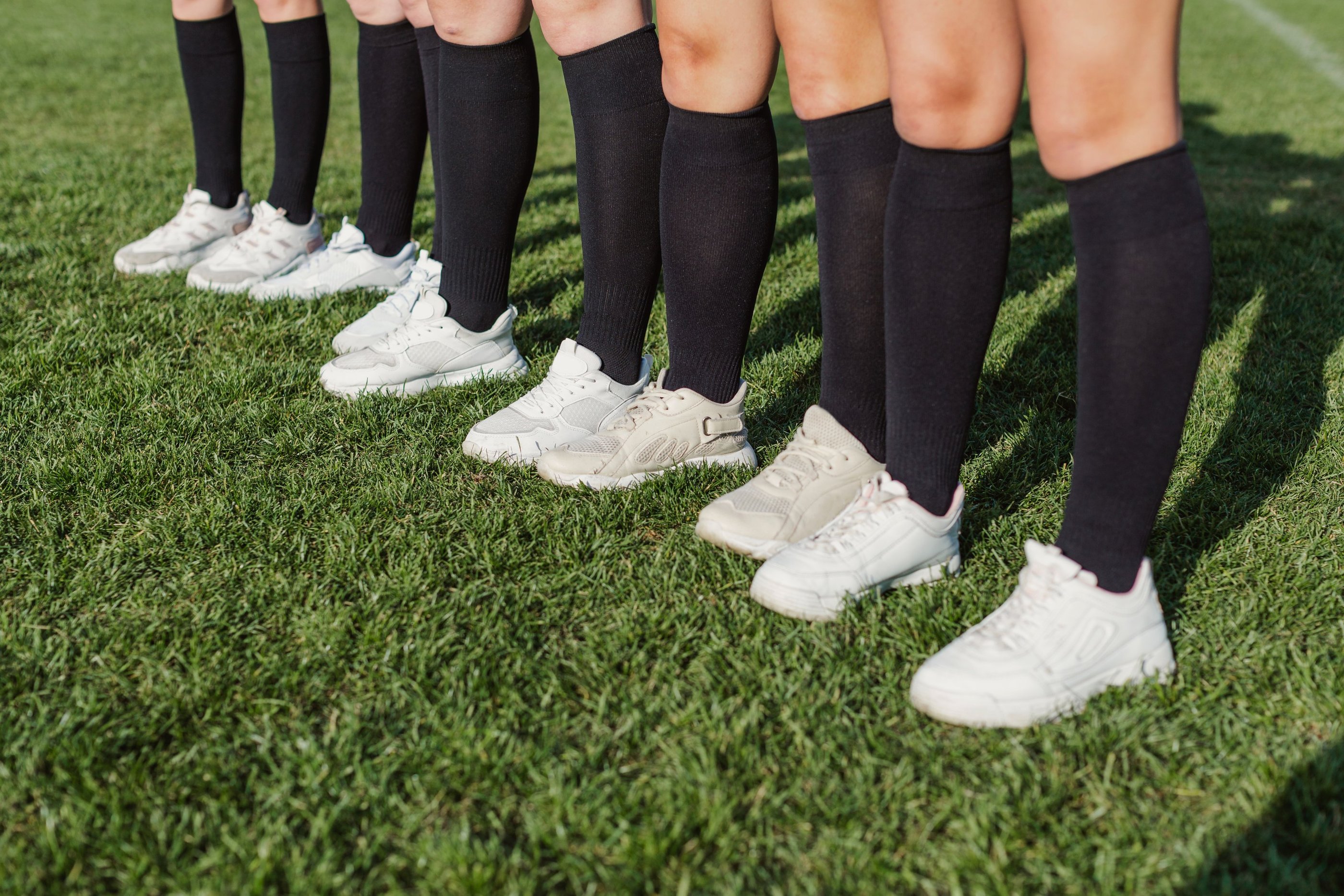
How Compression Stockings Help Female Soccer Players Fight Match Fatigue
Female soccer players face unique physiological challenges that differ from their male counterparts, including different patterns of match-induced fatigue, muscle damage responses, and recovery timelines. Understanding how equipment choices can address these gender-specific demands becomes crucial for optimizing performance and reducing injury risk. Groundbreaking research specifically focused on female players reveals that compression socks for women and men provide significant benefits in combating the fatigue that naturally occurs during soccer matches.
The study demonstrates that female soccer players wearing compression stockings during matches experience measurably less fatigue in key performance areas compared to those wearing regular socks. These findings provide female athletes with evidence-based guidance for equipment choices that can enhance their competitive performance and post-match recovery.
Understanding Female Soccer Fatigue Patterns
Female soccer players exhibit distinct fatigue patterns that differ from male players in several important ways. Research shows that women experience different muscle damage responses, inflammatory reactions, and recovery timelines following soccer matches. These differences stem from physiological factors including hormonal influences, muscle fiber composition, and biomechanical patterns specific to female athletes.
During a typical soccer match, female players cover 9-11 kilometers with significant portions at high-intensity running speeds. The constant acceleration, deceleration, and change of direction movements create substantial stress on the lower limb muscles, particularly the calf muscles that are critical for explosive movements and directional changes.
Compression socks benefits for female athletes extend beyond simple circulation improvement to include protection against the specific types of muscle fatigue and damage that occur during women's soccer matches.
Research Design and Participants
The comprehensive study examined twenty female amateur soccer players who were randomly divided into two equal groups. Half the players wore compression stockings during their match, while the other half wore regular socks as controls. The players were equally distributed between two teams to ensure balanced competition.
Researchers measured multiple aspects of performance and fatigue both 48 hours before the match (baseline) and immediately after the match concluded. The testing protocol included agility assessments, muscular endurance evaluations, and intermittent running capacity measurements to capture the full spectrum of soccer-related fitness demands.
Importantly, the study monitored match effort levels through heart rate and perceived exertion measurements, ensuring that any differences in post-match fatigue resulted from the compression stockings rather than variations in playing intensity between groups.
Key Performance and Fatigue Findings
The results revealed significant advantages for female players wearing compression stockings. Most notably, players using compression maintained better agility performance after the match, while the control group showed measurable declines in their ability to change direction quickly and efficiently.
Compression stocking users also demonstrated superior muscular endurance in the standing heel-rise test, which specifically evaluates calf muscle function. Since calf muscles play crucial roles in running, jumping, and cutting movements in soccer, this preservation of muscular endurance could translate to maintained performance quality throughout matches and reduced injury risk.
While both groups experienced some decline in intermittent running capacity (as measured by the YoYo Intermittent Endurance Test), the compression group showed better overall preservation of physical capabilities across multiple performance measures.
Gender-Specific Considerations
This research holds particular significance because it specifically addresses female athletes, who have historically been underrepresented in sports science research. The findings confirm that compression socks for running and soccer provide benefits for women that parallel those previously documented in male athletes, while addressing the unique physiological responses of female players.
Female soccer players often experience different recovery patterns compared to men, with some aspects of fatigue lasting longer and others resolving more quickly. The ability of compression stockings to reduce match-induced fatigue in female players provides coaches and athletes with a practical tool for managing these gender-specific recovery challenges.
The research also addresses the important consideration that 57% of on-field soccer injuries are related to fatigue, making any intervention that reduces fatigue a potentially valuable injury prevention strategy for female players.
Practical Applications for Female Players
Female soccer players can immediately apply these research findings by incorporating compression stockings into their match-day equipment. The study used standard compression stockings that players found comfortable and non-restrictive during competitive play, making implementation straightforward.
For teams with female players, coaches should consider compression stockings as part of their performance optimization and injury prevention strategies. The reduced fatigue could translate to maintained skill execution quality throughout matches and better preparation for subsequent training sessions or competitions.
Individual female players might find compression stockings particularly valuable during tournament play, league fixtures with quick turnarounds, or when balancing multiple competitive commitments where fatigue management becomes crucial.
Training and Recovery Implications
The agility and muscular endurance benefits observed in the study suggest that compression stockings could also prove valuable during training sessions focused on high-intensity skills and conditioning. Female players working on speed, agility, and explosive movements might experience less training-induced fatigue when using compression.
For recovery protocols, the research indicates that the fatigue-reducing effects of compression stockings could complement other recovery strategies. Female players using compression during matches may require less intensive recovery interventions between training sessions or competitions.
The preserved calf muscle function observed in the study could be particularly beneficial for female players who are susceptible to calf strains or Achilles tendon issues, as these injuries often occur when muscles are fatigued and unable to handle explosive demands.
Implementation Considerations for Teams
Teams incorporating compression stockings for female players should ensure proper fitting and sizing, as the benefits depend on achieving appropriate pressure levels. Players should have opportunities to train with compression stockings before using them in important competitions to ensure comfort and familiarity.
Cost considerations may influence team-wide implementation, but the research suggests that even selective use by players prone to excessive fatigue or those in key positions could provide meaningful benefits to overall team performance.
Coaches should monitor individual player responses to compression stockings, as some athletes may experience greater benefits than others based on their specific physiological characteristics and fatigue patterns.
Broader Implications for Women's Sports
This research contributes to the growing body of evidence supporting gender-specific approaches to sports science and equipment recommendations. The confirmation that compression stockings benefit female soccer players as they do males helps validate the application of sports science findings across genders.
The study's focus on practical, immediately applicable interventions aligns with the needs of female athletes who may have limited access to complex recovery technologies or sports science support. Compression stockings represent an accessible tool that individual players can use regardless of their competitive level or team resources.
For female athletes in other sports involving similar movement patterns and fatigue challenges, these findings suggest that compression garments could provide comparable benefits during competition and training.
This research was conducted by Pavin, Leicht, Gimenes, da Silva, Simim, Marocolo, and da Mota, who evaluated the impact of compression stocking use during female soccer matches on match-induced fatigue through comprehensive performance testing protocols.
Can compression stockings reduce the degree of soccer match-induced fatigue in females?
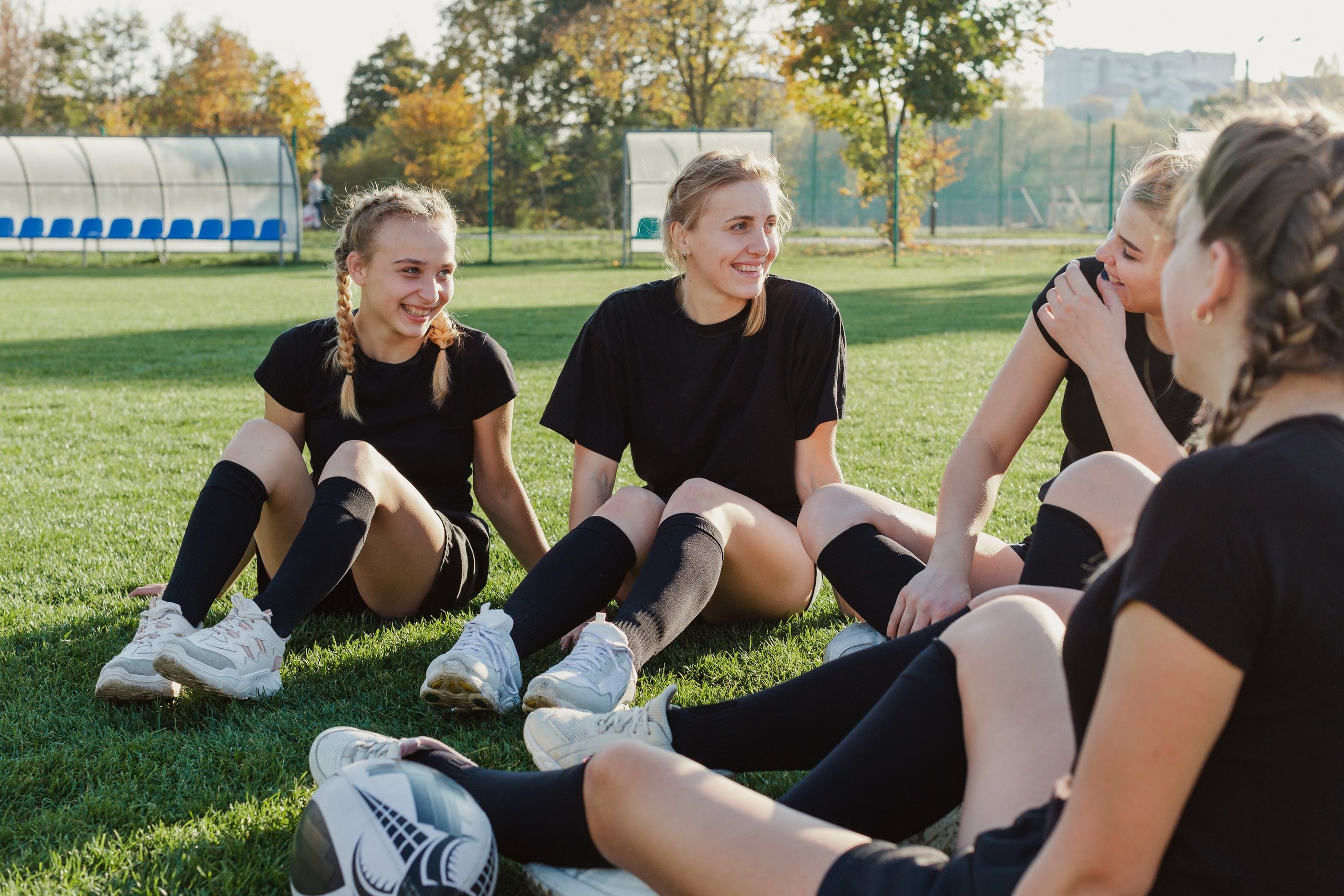
Best compression socks in EU
You didn’t come this far to stop